
How Steady Care Habits Help Slow Shedding and Protect Thinning Hair
Preventing further hair loss through consistent alopecia care starts with simple, steady habits. Hair loss from alopecia often gets worse when care is skipped or delayed. Daily scalp care, the right alopecia treatment plan, and early action can slow shedding and support stronger strands. Small steps done every day can protect the hair you still have and help you feel more in control.
Why prevention matters
Alopecia can be ongoing. Some types come and go. Others may slowly thin the hair over time. When care is not consistent, hair follicles can weaken. Once a follicle stops producing hair, it may not start again.
Staying on track with alopecia treatment gives your scalp steady support. This may include topical products, scalp therapies, or other forms of service category keyword care recommended by a provider. The key is not stopping and starting. Hair follicles respond better to routine.
Early warning signs
Spotting changes early can help you act fast. Many people wait too long because the changes seem small at first.
- More hair on your pillow or in the shower drain
- A widening part or more scalp showing
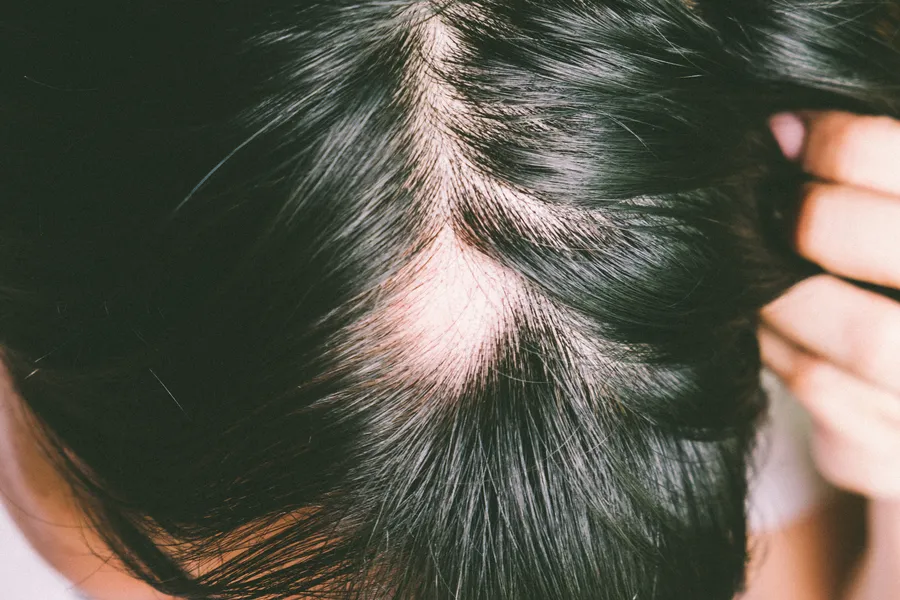
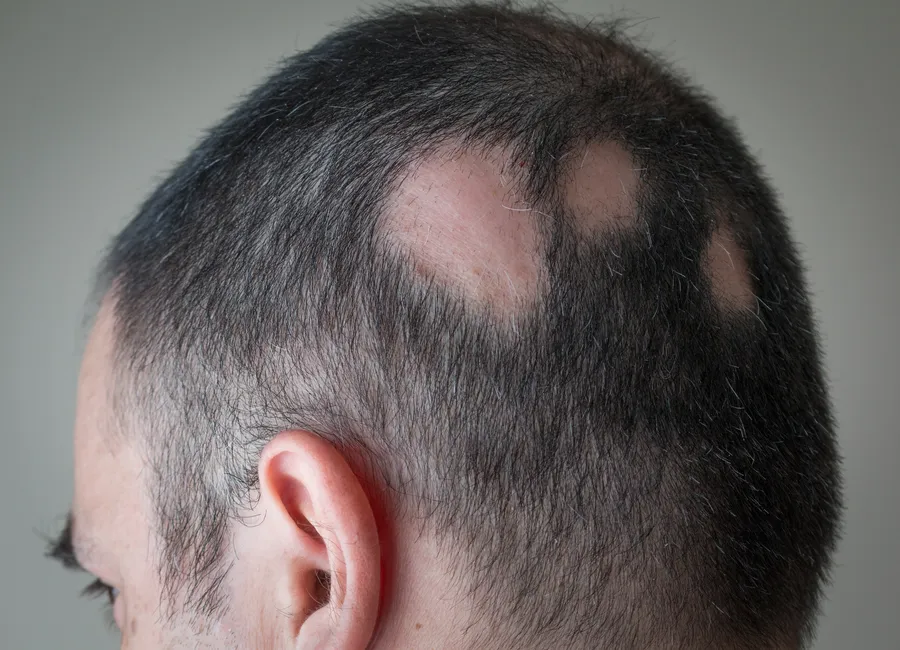
- Small round patches with no hair
- Itchy, tender, or flaky scalp
- Hair that breaks easily
If you notice one or more of these signs, it may be time to review your alopecia treatment plan. Early action can help protect the remaining hair.
Seasonal or routine checklist
Hair loss can flare up during stress, illness, or seasonal shifts. Having a basic checklist keeps you on track all year.
- Wash with a gentle shampoo made for thinning hair.
- Massage your scalp for a few minutes each day.
- Use prescribed topical products as directed.
- Avoid tight hairstyles that pull on the roots.
- Eat balanced meals with enough protein and iron.
- Manage stress with sleep, exercise, or quiet time.
Consistency is more important than doing everything at once. Even simple scalp massage can help blood flow, which supports healthier follicles.
Best practices for long-term results
Long-term hair health needs steady care. Most alopecia treatment options take weeks or months before you see change. Stopping too soon can reverse progress.
Keep follow-up visits on your calendar. Take photos every month to track growth. This helps you see small gains you might miss day to day. Many people feel discouraged because results look slow, but hair grows in cycles.
Protect your scalp from sunburn. Use hats outdoors. Limit heat styling tools like flat irons and curling wands. Heat can weaken fragile strands.
What not to do
When hair starts thinning, it is easy to panic. Quick fixes and trendy products can waste time and money.
- Do not switch products every week.
- Do not ignore scalp redness or pain.
- Do not overbrush or overstyle.
- Do not self-diagnose without guidance.
- Do not stop alopecia treatment once shedding slows.
Too many changes at once can irritate the scalp. A calm, steady plan works better than constant product hopping.
When to schedule professional help
It is smart to seek help if hair loss is sudden, patchy, or getting worse fast. You should also call a professional if you see bald spots growing or if home care is not helping after a few months.
A trained provider can examine your scalp, review your health history, and adjust your alopecia treatment plan. Some types of alopecia need prescription care. Others benefit from in-office therapies that support regrowth.
Regular check-ins also help track progress and adjust products if your scalp changes. Preventing further hair loss through consistent alopecia care often works best with expert guidance.
Protect your hair with steady support
If you are dealing with thinning or patchy hair in Houston, TX, steady care can make a real difference. At Texas Hair Restoration and Wellness Center, we focus on practical alopecia treatment plans that fit your daily life and support long-term scalp health. We take time to review your history, track changes, and guide you step by step. Call (346) 489-4105 to speak with our team and set up a visit so we can help you protect the hair you have and work toward healthier growth.