
A Simple Guide to Choosing the Right Hair Loss Solution
Alopecia can show up in different ways, so the right approach depends on the cause and your goals. Some people respond well to medication. Others need scalp treatments, lifestyle changes, or hair restoration procedures. The best alopecia treatment starts with knowing why the hair loss is happening and how fast it is progressing.
What You Need Before Starting
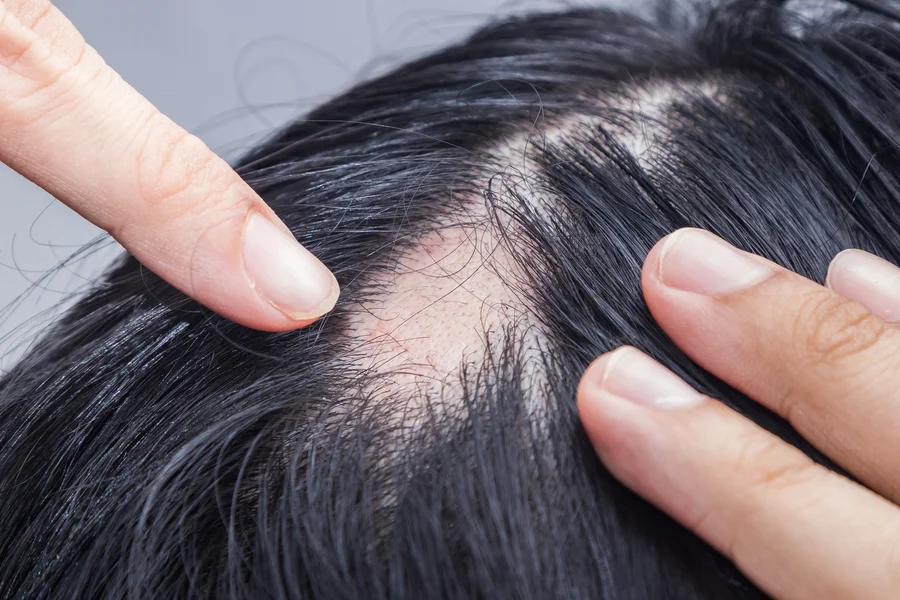
Before choosing any alopecia treatment, you need clear answers about your condition. Alopecia is not just one issue. There are several types, including:
- Alopecia areata, which causes round bald spots
- Androgenetic alopecia, also called male or female pattern hair loss
- Traction alopecia from tight hairstyles
- Scarring alopecia, which can lead to permanent loss
A proper exam may include a scalp check, a review of your health history, and sometimes lab work. This helps rule out thyroid problems, stress triggers, or vitamin gaps. Starting treatment without knowing the cause can waste time and money.
Step-by-Step Process to Find the Right Approach
Here is a simple way to think through your options:
- Get a professional diagnosis. Identify the exact type of alopecia.
- Measure the severity. Check how much hair has thinned or fallen out.
- Review treatment options. Compare medication, in-office therapy, and home care.
- Set clear goals. Decide if you want regrowth, slowing loss, or fuller appearance.
- Track progress monthly. Take photos and note changes.
For example, someone with early pattern baldness may benefit from topical medication and scalp therapy. A person with alopecia areata may need anti-inflammatory treatment. Each alopecia treatment plan should match the type and stage of hair loss.
Common Approaches Used Today
There are several widely used treatment categories. Each works in a different way.
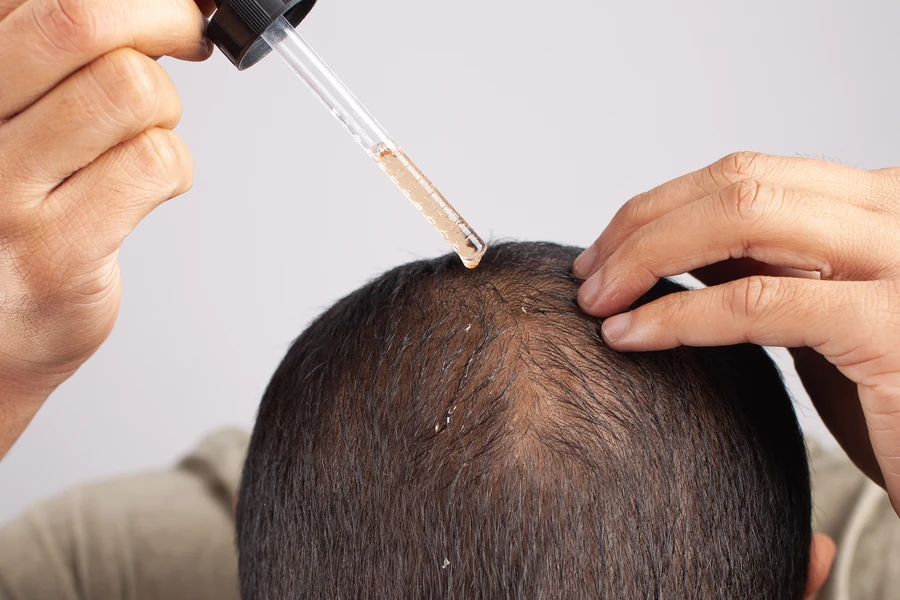
- Topical treatments: Applied directly to the scalp to stimulate follicles.
- Oral medications: Help block hormones linked to hair thinning.
- Injectable therapy: Often used for patchy hair loss caused by inflammation.
- Laser therapy: Uses low-level light to support follicle activity.
- Hair restoration procedures: Move healthy follicles to thinning areas.
Some people use just one method. Others combine treatments for better results. A combined alopecia treatment plan is common when hair loss has more than one cause.
Common Mistakes to Avoid
Many people delay care and hope the problem will stop on its own. This can make treatment harder later. Hair follicles can weaken over time.
Another mistake is switching products too quickly. Most alopecia treatment plans need at least three to six months before real changes appear. Stopping early may prevent results.
It is also risky to self-diagnose. Online advice can help you learn, but it cannot replace a physical exam. Using the wrong product may irritate your scalp and increase shedding.
When to Call a Professional
You should seek expert care if:
- Your hair is falling out in clumps
- You notice redness, itching, or pain on the scalp
- Bald spots appear suddenly
- Hair loss is causing stress or low confidence
A trained provider can confirm the type of alopecia and guide you toward the safest alopecia treatment. Early action often leads to better results.
Final Recommendation and Next Steps
If you are noticing hair thinning in Houston, TX, it is smart to get answers sooner rather than later. At Texas Hair Restoration and Wellness Center, we take time to evaluate your scalp and explain your options in plain language. We create personalized alopecia treatment plans based on your condition and goals. If you would like to schedule a consultation, call us at (346) 489-4105 and let us help you take the next step toward healthier hair.